
Stay updated with our letter
Valuable perspectives on the latest trends and tips.



Classifying urgency beyond problem solving


Not every product roadmap theme is solving a problem. This is especially true in organizations with a strong innovation-driven culture. The question "Which problems are we solving?" has become a default framing in product leadership conversations. It is a useful lens, but an incomplete one. This classification matters because the same technology can serve entirely different strategic purposes depending on how it is applied.
Consider AI systems as an example. An AI initiative could solve a problem, but it could also be purely experimental. The technology is identical. The strategic posture is not. As AI integrations become more prevalent across product portfolios, we must recognize that not all initiatives exist to address pain points. Some exist to capture opportunities no one articulated.
Others exist to experiment with possibilities that may redefine the market entirely. Product leaders need a more precise vocabulary for classifying the urgency and purpose behind roadmap investments. The traditional problem-solution framing collapses three fundamentally different strategic postures into one.
Think of 0 as the neutral state.
These are users who have reached equilibrium with the product. They have internalized its workflows, accepted its constraints, and integrated it into their routines to the point where friction is no longer perceived. They are not dissatisfied, but they are also not requesting change.
In extreme cases, this segment can resist improvement efforts over time, including interface redesigns or feature expansions, because any alteration disrupts the muscle memory they have developed. Their loyalty is rooted in familiarity, not enthusiasm.
Negative movement means something has disrupted this equilibrium.
A regression, a broken workflow, or an unmet expectation has shifted the user from comfortable to frustrated. Positive movement means the organization has introduced value the user did not anticipate, shifting them from passive acceptance to active appreciation for something they did not know they wanted.
-1 to 0
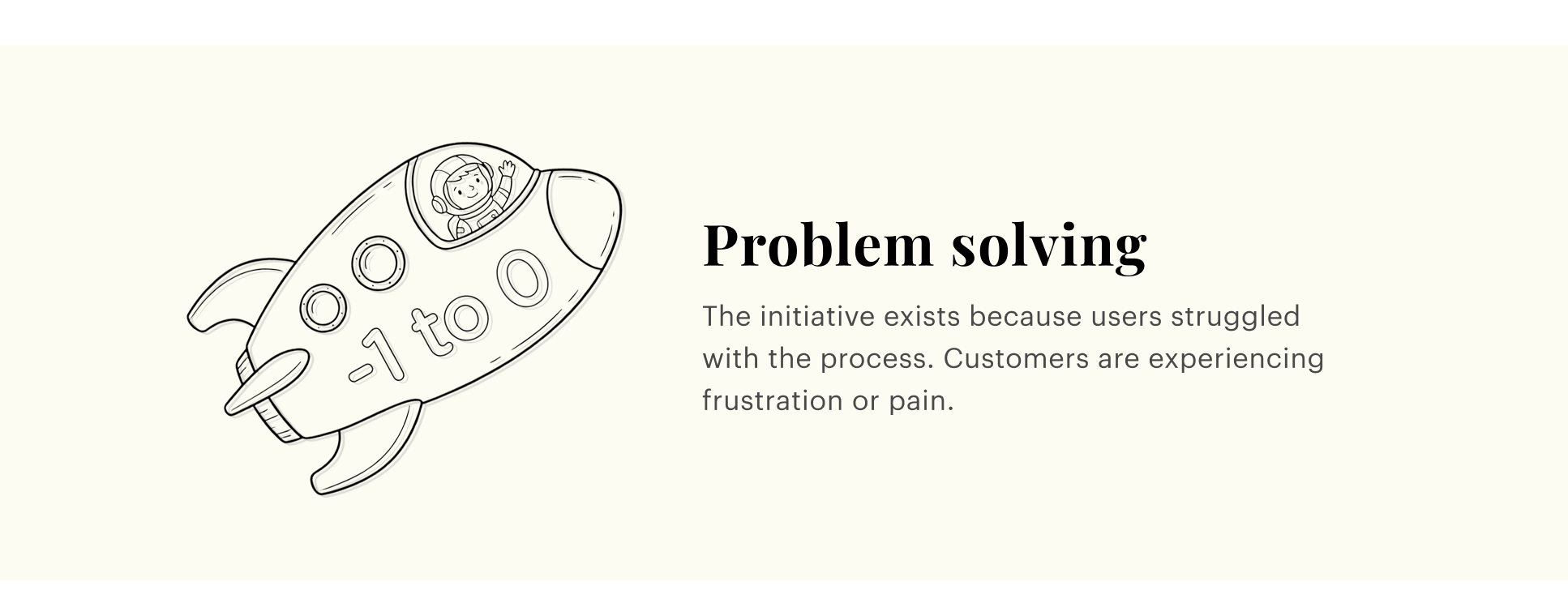
Problem solving
Customers are experiencing frustration or pain. The initiative exists to restore them to a neutral state where baseline expectations are met. These efforts are often reactive. The urgency is clear because the damage is visible.
Consider a personalized small claims court assistant built on LLM and RAG technology. This addresses a real user frustration. Without LLM capabilities, this would still exist as a SaaS platform with API integrations and basic chatbot functionality. The AI accelerates the solution but does not define it. The initiative exists because users struggled with the process, not because the organization wanted to experiment with AI.
0 to 1
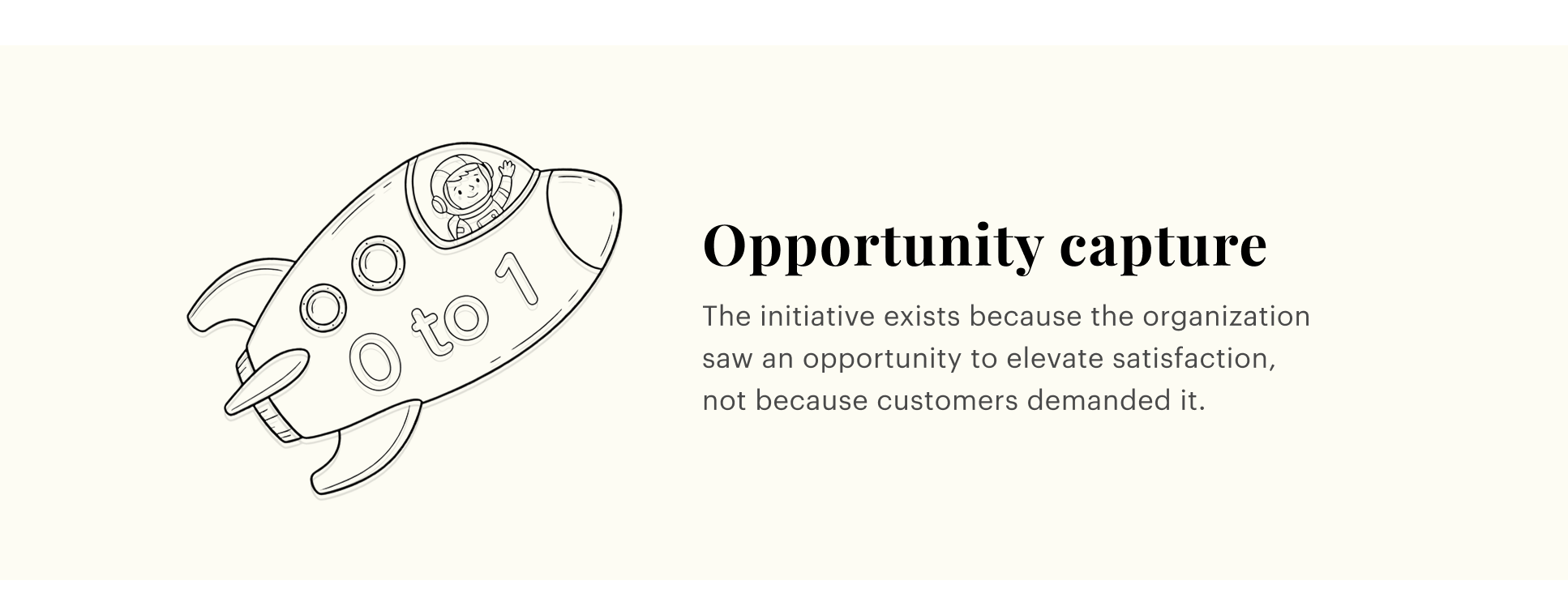
Opportunity capture
No one complained. No one asked. But the organization identified an opportunity to create value that did not previously exist. These efforts are often proactive. The urgency is strategic rather than defensive.
Consider an AI assistant embedded in a hotel booking website. It can improve the reservation experience, but it does not solve an existing user problem. The booking flow works without it. No one complained. The AI creates new value rather than restoring lost value. The initiative exists because the organization saw an opportunity to elevate satisfaction, not because customers demanded it.
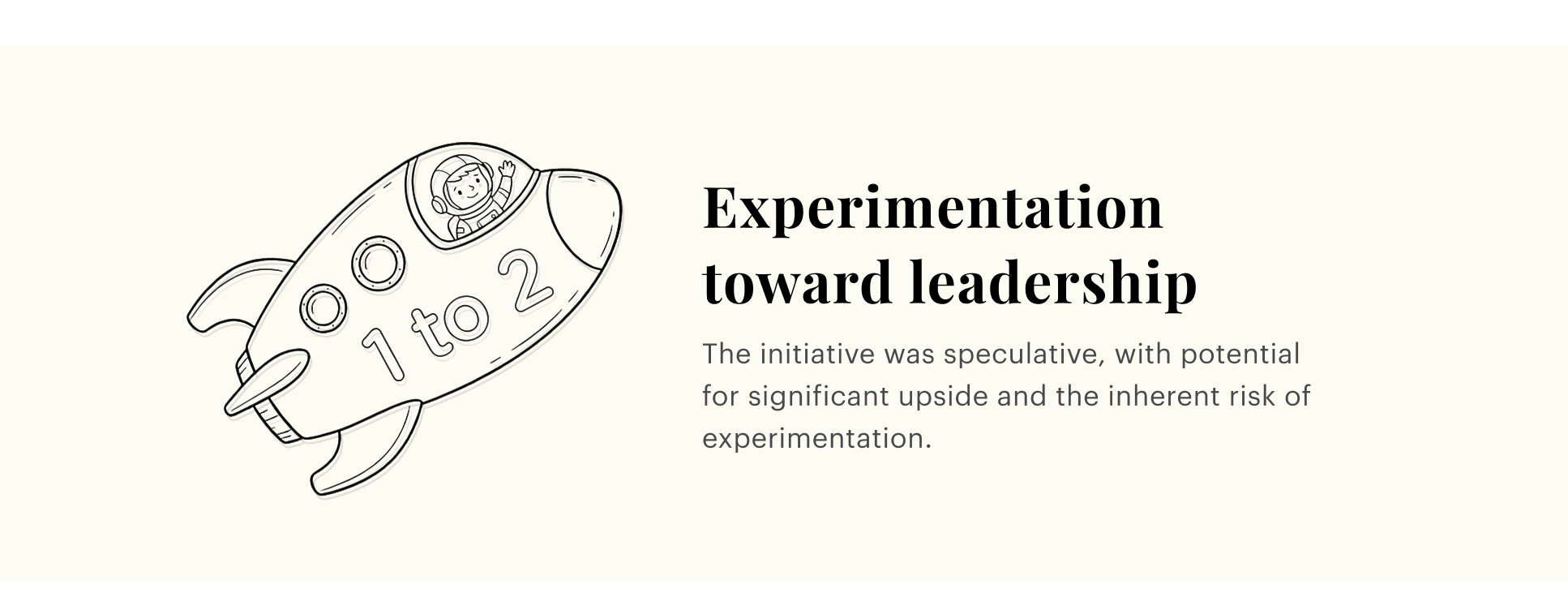
1 to 2
Experimentation toward leadership
The product already works. Customers are already satisfied. The initiative exists to push beyond satisfaction into differentiation or market-defining innovation. These efforts are speculative by nature. The urgency is competitive, driven by the ambition to lead rather than the need to recover. Consider how Anthropic introduced MCP servers. This was not a response to user complaints. Existing users were not frustrated. Anthropic identified an opportunity to make something good into something exceptional and market-defining. The initiative was speculative, with potential for significant upside and the inherent risk of experimentation.
When product leaders default to "What problem are we solving?" they risk dismissing 0-to-1 and 1-to-2 initiatives as lacking justification.
A more complete question is:
"What is the urgency claim behind this initiative, and does our product portfolio have the right balance across all three?"